
Metal sheet lamination technology involves degreasing and cleaning thin steel or galvanized sheet metal, then extruding and laminating multiple layers of PVC or VCM film onto the steel surface at high temperatures. This complete production process creates a composite material that combines the characteristics of both plastic film and metal sheet. Jiangyin Haimei’s equipment utilizes a high-temperature, high-pressure extrusion process, employing high-temperature lamination and rapid cooling and recrystallization techniques to securely bond the film to the metal sheet. The lamination process does not use adhesives or solvents, resulting in formaldehyde-free production. The PVC film can also be treated for decorative, anti-corrosion, and anti-pollution properties, ensuring health while enhancing the product’s appearance. In addition to packaging, laminated metal sheets can also be widely used in interior decoration, automotive, home appliances, electronics, and other fields.
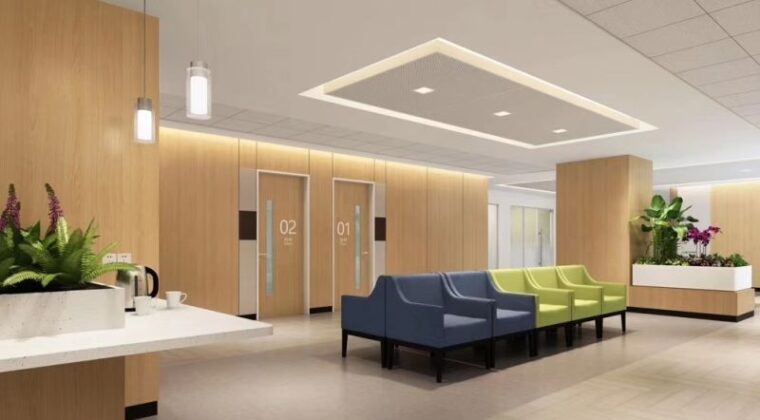
Ten years ago, wall coverings were primarily wallpaper, and five years ago, wall coverings were common. Now, metal-faced panels are trending for wall decoration in various applications. They offer environmentally friendly installation without welding, are easily foldable, and are reusable, significantly reducing renovation costs and time. Another significant advantage of metal-faced panels is their strong thermal insulation properties. When used indoors, they act like air insulators between the wall and the metal panels, resulting in excellent insulation.
Metal steel sheets and films also have excellent elongation and ductility, making them suitable for cutting, bending, roll-forming, and punching, making them even easier to install.
Metal steel sheets and films isolate air and moisture, offering mildew, moisture, and fire resistance, making them a promising surface material for modern decoration.