
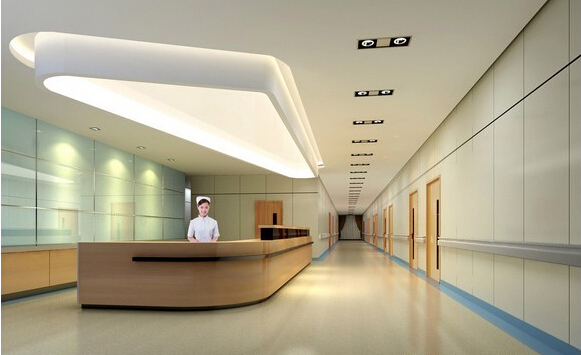
Using film-coated steel wall panels for decoration can effectively save labor in several aspects, mainly in the following ways:
- Simplified construction process and reduced manual labor
Traditional wall decoration (such as latex paint, wallpaper, etc.) requires multiple complex processes such as “base treatment (plastering/leveling) → waterproofing → puttying → sanding → painting/wallpapering,” each requiring repeated manual operation, which is time-consuming and labor-intensive. Film-coated steel wall panels, on the other hand, are prefabricated products in the factory with an integrated decorative layer (film) on the surface. The base layer is a metal sheet (such as cold-rolled steel sheet, galvanized sheet), eliminating the need for secondary processing on-site. During installation, only the base layer needs to be fixed (such as keel installation) before directly splicing the panels, eliminating wet work such as plastering, puttying, and sanding, as well as repetitive manual operations, significantly reducing on-site labor.
- High installation efficiency and shortened construction period
The film-coated steel wall panels adopt a modular design with standardized panel sizes (e.g., common widths of 600-1200mm, lengths customizable). Installation involves securing them to the keel using clips, bolts, or self-tapping screws, making assembly convenient. A skilled worker can install 10-20㎡ per day (depending on wall complexity), far exceeding the efficiency of traditional wall treatments (traditional manual labor can only complete 5-10㎡ of basic treatment and painting per day). The construction cycle can be shortened by 50%-70%, directly reducing continuous labor input.
- Low skill requirements for workers, reducing labor costs
Traditional wall construction relies on skilled workers (such as bricklayers and painters), requiring expertise in plaster thickness control, putty sanding smoothness, and paint mixing, resulting in high labor costs and difficulty in recruitment. The installation of coated steel wall panels primarily involves “splicing and fixing,” resulting in a high degree of standardization. Ordinary workers can be trained in just 2-3 days, significantly reducing reliance on highly skilled workers. Companies can reduce costs by employing ordinary labor.
- Reduced Rework and Repair:
Traditional walls are susceptible to humidity and temperature fluctuations (e.g., cracking in dry winters, dampness in the rainy season), often requiring repairs and repainting, increasing labor costs. Coated steel wall panels, being made of metal, offer excellent waterproof, moisture-proof, and crack-resistant properties. They are less prone to deformation or damage after installation, requiring almost no subsequent repairs, further reducing labor input.
- Adaptability to Complex Substrates, Reduced Pre-treatment Costs:
Traditional walls with uneven substrates (e.g., uneven surfaces after demolition) require extensive manual repairs (wire mesh installation, leveling), which is time-consuming and labor-intensive. Coated steel wall panels can adapt to substrate deviations (e.g., unevenness within 5-10mm) by adjusting the keel spacing or locally cutting panels, eliminating the need for large-scale repairs and reducing labor costs for substrate pre-treatment.
Film-coated steel wall panels, with their “prefabricated, modular, and standardized” characteristics, reduce labor input in the decoration process from multiple dimensions, including simplified procedures, improved efficiency, and lower skill requirements. They are particularly suitable for mass decoration (such as hotels, apartments, and commercial spaces) or projects sensitive to construction schedules, resulting in significant overall benefits. Of course, the actual savings depend on the specific project’s substrate conditions, panel specifications, and the degree of optimization in installation techniques.