
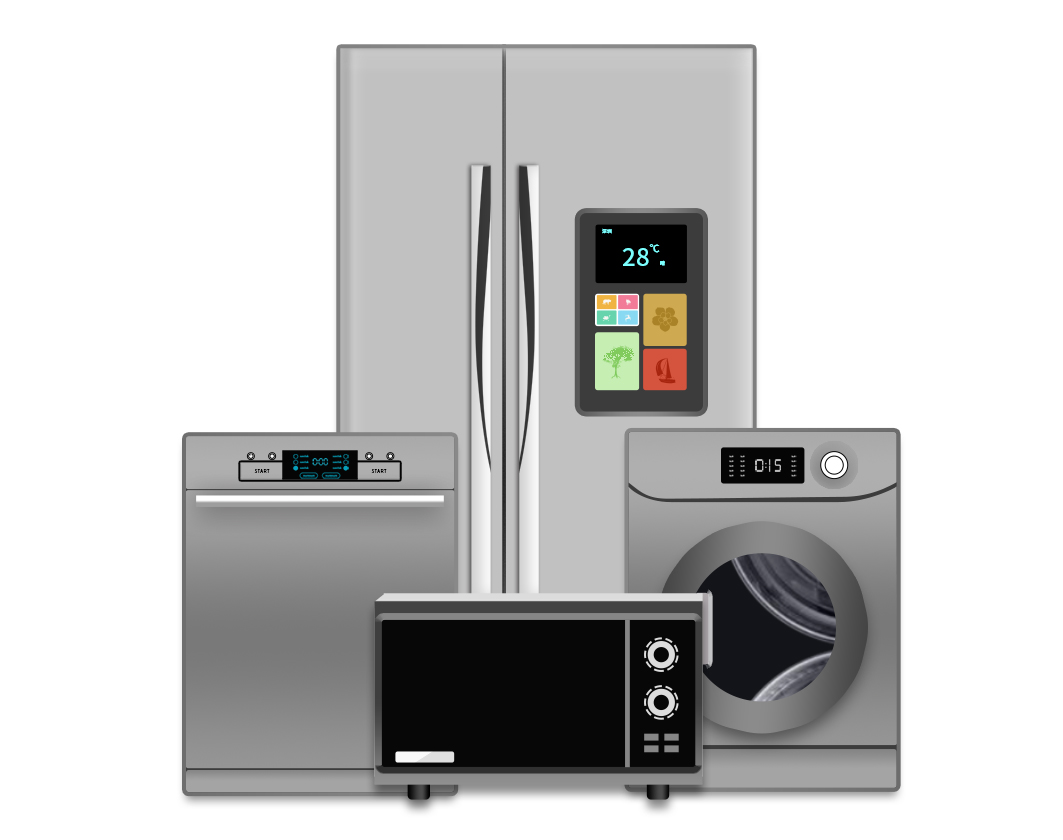
The exterior decorative panels for home appliances are rapidly transitioning from color-coated steel sheets to film-coated steel sheets. The core reason lies in the comprehensive advantages of film-coated steel sheets across five dimensions: decoration, protection, processing, environmental protection, and overall cost-effectiveness, aligning with the trends of high-end and green manufacturing. The following outlines key differences, the value of the switch, and key implementation points to facilitate rapid decision-making and application.
Why Accelerate the Replacement Now?
Consumer Side: High-end home appliances demand higher quality appearance and durability, and the rich textures and stable protection of film-coated steel sheets better meet market needs.
Manufacturing Side: The paint-free process shortens production cycles, reduces environmental pressure, and the adaptability to complex molding reduces rework, improving mass production efficiency.
Policy Side: Stricter environmental regulations mean that the solvent-free composite process of film-coated steel sheets aligns with green manufacturing guidelines, reducing compliance costs.
Cost Side: Although the initial purchase price is approximately 20%–30% higher, the paint-free process, low waste, and long lifespan result in lower overall life-cycle costs, leading to significant comprehensive benefits.
Haimei’s Adaptation Recommendations and Implementation Points
Material Selection: Prioritize galvanized/aluminized zinc substrate + PET/PVC film coating, suitable for refrigerator doors, washing machine panels, air conditioner casings, etc.; for high weather resistance requirements, ASA/PVDF film can be selected.
Process Adaptation: Hot-pressing lamination ensures strong film-substrate adhesion, supports complex forming such as deep stretching and large bending, and edge sealing protection prevents rust.
Cost Optimization: Bulk purchasing reduces unit price, leveraging the advantage of paint-free production lines to streamline production, reduce labor and environmental investment, and quickly recover premium costs.
Quality Control: No cracking during 0T bending, no peeling during grid crossing, and compliance with acid and alkali resistance and aging resistance tests ensure long-term stability.
Summary and Action Recommendations
The core of the replacement is to achieve integrated decoration and protection through a single lamination process, solving the pain points of color steel plates such as monotonous appearance, weak protection, high processing waste, and significant environmental pressure. It is recommended to start with a pilot program on the panels/doors of high-end models, and then gradually expand to the entire product line, while simultaneously optimizing the supply chain and production line adaptation to quickly gain product strength and cost advantages.