
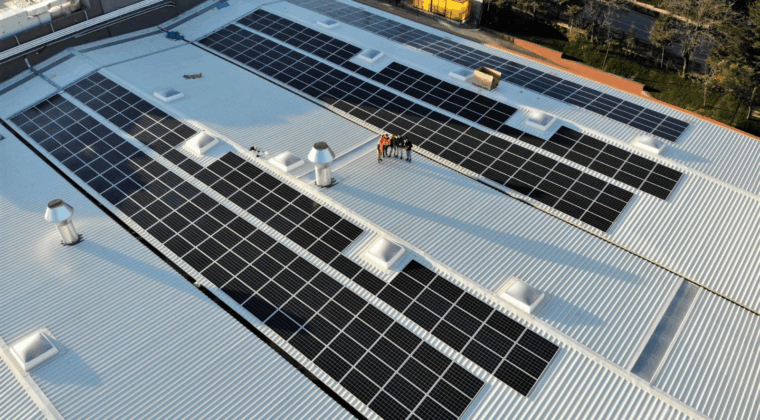
The purpose of using waterproof shingles on steel structure roofs is essentially to compensate for the inherent waterproofing deficiencies of steel itself. The advantages of using waterproof shingles lie in the overall upgrade of traditional waterproofing solutions.
I. Core Reasons for Using Waterproof Shingles on Steel Structure Roofs
Steel structures themselves cannot achieve effective waterproofing on their own and must rely on materials such as waterproof shingles. There are three main reasons for this:
Steel is not waterproof and is easily corroded: Steel is a metal material and does not inherently possess waterproofing capabilities; rainwater can directly penetrate. Furthermore, steel corrodes when exposed to water and oxygen, which will damage the roof structure over time.
Roof seams exist: Steel structure roofs are composed of multiple steel plates spliced together, inevitably creating seams. These seams are the main channels for rainwater leakage and must be covered and sealed with waterproof shingles.
Coping with temperature deformation: Steel has a high coefficient of thermal expansion and contraction, and temperature changes cause the roof to expand and contract. This deformation can stretch traditional waterproof membranes, leading to cracking and leakage, while the structural design of waterproof shingles is better able to adapt to this deformation.
Advantages of Integrated Waterproof Roofing Sheets:
- Enhanced Waterproofing Performance
Utilizing a lock-edge or hot-welded overlap design, it fits tightly to the roof, effectively preventing rainwater penetration.
- Superior Durability
Strong resistance to aging and UV rays, with a service life of 20-30 years, far exceeding traditional asphalt roofing sheets; it can also withstand extreme weather impacts such as hail and strong winds.
- Better Adaptability
Lightweight, placing less load on steel structure roofs; high flexibility, adapting to the thermal expansion and contraction of steel structures, preventing cracking due to deformation.
- Easier Installation and Maintenance
The installation process is relatively simple, requiring no complex base treatment; low maintenance costs, only individual tiles need to be replaced when damaged, without the need for complete renovation.