
Coated steel sheets offer excellent decorative properties, fingerprint resistance, strong coating adhesion, and long-lasting color retention. They have become an ideal composite material for industries such as home appliances and building materials. However, each industry chooses different substrates based on its specific needs. There are two key differences between substrates used in home appliances and building materials:
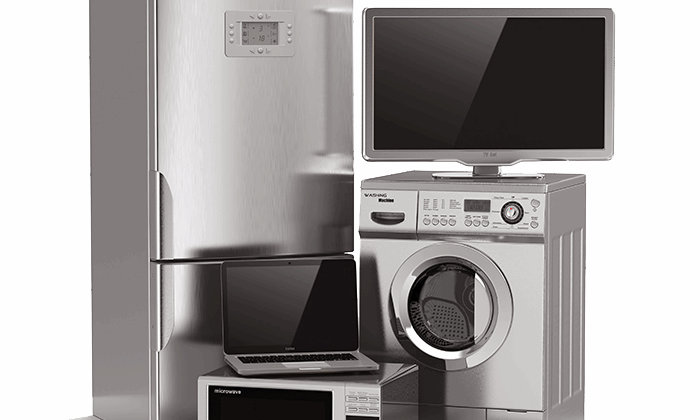
Difference 1: Coated steel sheets for home appliances typically use electrogalvanized or cold-rolled steel as substrates. They are used in refrigerators, freezers, wine cabinets, large air conditioners, dryers, and bread makers. Different PVC/PET films and their substrate materials and thicknesses create a rich variety of surface finishes, including wood grain, patterns, solid colors, marble, sheepskin, orange peel, and floral patterns, with hundreds of patterns to choose from.
Difference 2: Coated steel sheets for construction typically use hot-dip galvanized or hot-dip galvanized steel as substrates. Hot-dip steel sheets have numerous applications in construction. Coating is required to further improve the corrosion resistance of hot-dip galvanized steel sheets, isolate the zinc layer from direct contact with air, and enhance surface colorability. That is, depending on the application, it is necessary to select the appropriate base material and color film, and adopt the appropriate lamination method to produce a coated steel plate that meets the requirements. The use environment requires that the coated steel plate must have good solvent resistance, acid and alkali resistance, pollution resistance, heat resistance, and the fire protection level must also meet the standards. These requirements should be given sufficient attention.